The Brain Research That Explains Why Driven Entrepreneurs Get Stuck (And It Has Nothing to Do With Willpower)
The people who freeze on their most important work are usually the most capable people in the room. The research points to a reason that has nothing to do with discipline: the brain's threat-detection system reads certain goals as danger and applies the brakes before conscious effort ever gets a vote.
By Maren Vasquez, Brain & Behavior correspondent
Read the full investigation into the threat-response behind the freeze →

The Mechanism
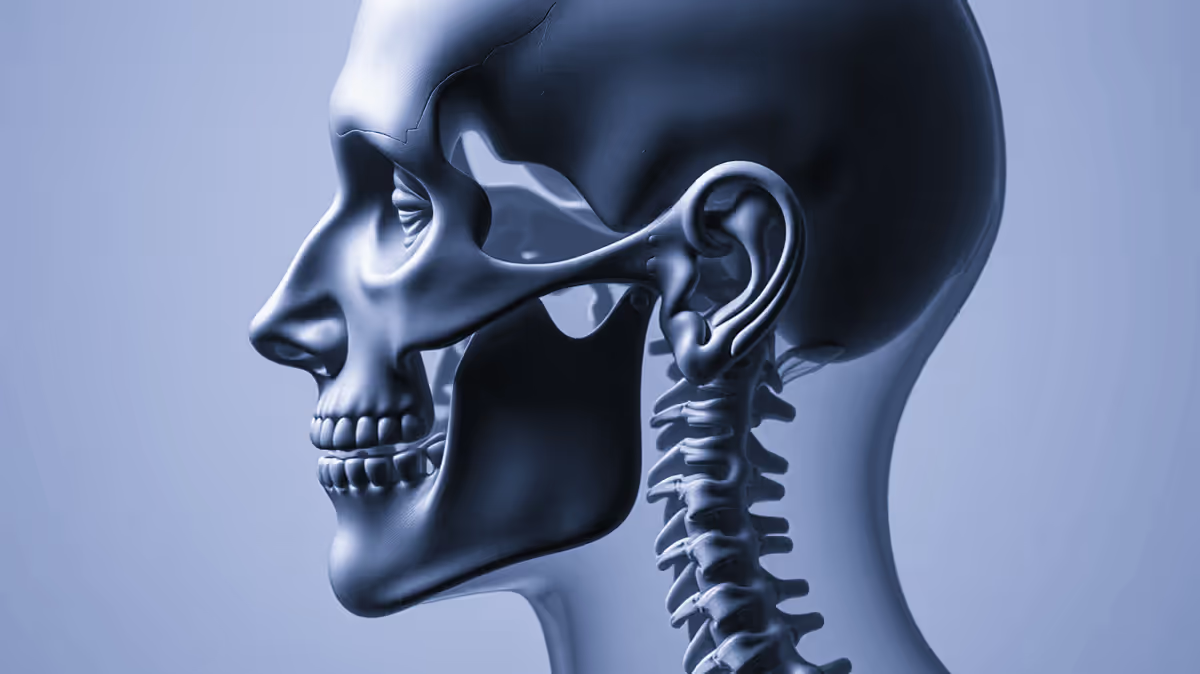
Your Two Brains: The Higher Mind vs. the Threat-Detector
A working model of the tension between the part of the brain that sets goals and the part that scans for danger, and why the two do not always agree.

The Capable-Person Paradox: Why the Brain Treats Some Goals as Threats
Competence does not switch off the alarm. The research suggests the more a goal matters to you, the more readily the threat-detector flags it.

Procrastination as a Signal
Drawing on the 2022 Nature Communications fMRI work on procrastination, a case for reading the freeze as information from the threat-response system rather than a failure of will.
From the Research Desk

Inspiration vs. Motivation: The Neuroscience of Why External Pressure Always Runs Out
The research on intrinsic versus extrinsic drive, and why pressure borrowed from outside the self tends to decay.
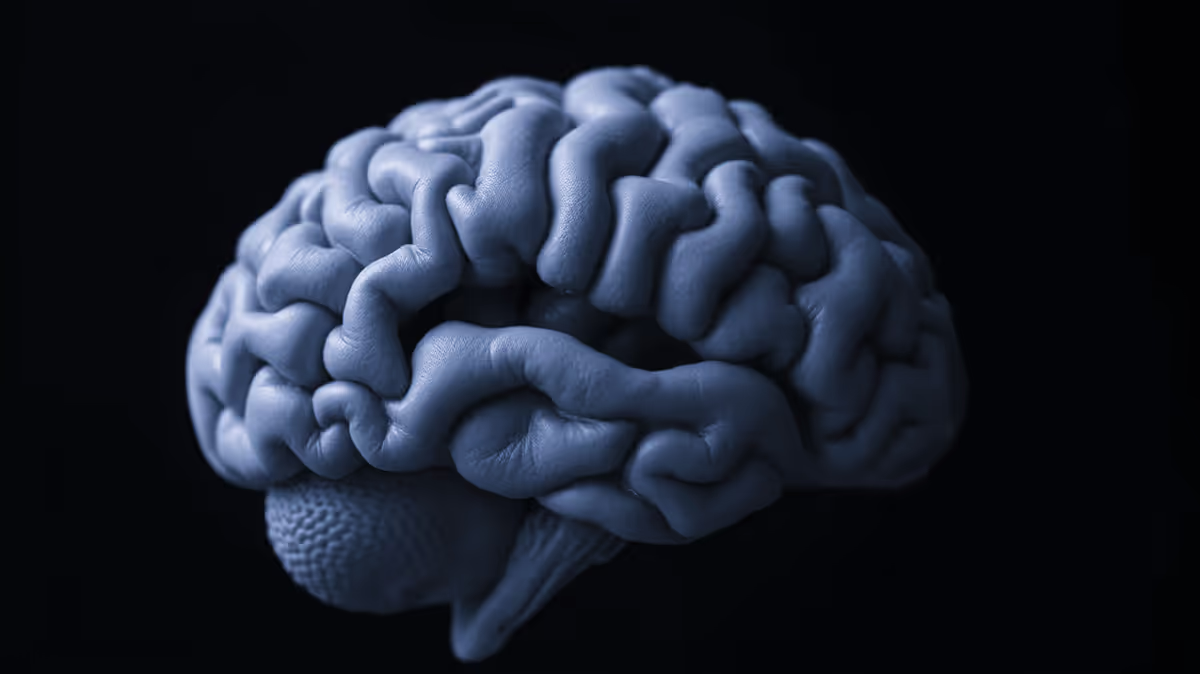
The Threat-Detector and the Executive
How the threat-response circuitry and the brain's executive regions trade control, and what that hand-off means for performance under stakes.

The Researchers and Operators Bringing Values Science to Business
A look at the work translating the science of values and decision-making out of theory and into how people actually run companies.
Neuroscience Daily is an independent science publication covering the brain science of human performance. Our reporting is independent editorial. Where we publish paid editorial content, it is labeled "Advertisement" or "Paid Advertisement" and kept clearly separate from our independent reporting. See our Advertising and Paid-Advertisement Disclosure for how we label and handle commercial content.